


Table of Contents
- Why Seating Arrangements Matter for Your Dinner Party
- How to Seat Guests for a Formal Dinner
- Creating Dinner Party Seating Chart Templates
- Managing Guest Dynamics and Conversation Flow
- Tips for Hosting a Successful Dinner Party
- When to Use Place Cards and Formal Etiquette
- The Role of a Private Chef in Elevating Your Dinner Party
- Final Checklist Before Your Dinner Party
- Frequently Asked Questions
Last Updated: September 30, 2026
Why Seating Arrangements Matter for Your Dinner Party
A well-planned dinner party seating arrangement sets the tone for the entire evening. Where your guests sit determines conversation flow, comfort, and whether people actually enjoy themselves. Poor seating choices lead to awkward silences, cliques forming, and guests feeling isolated. Good seating creates natural conversation, helps shy guests connect, and keeps energy high throughout the meal.
At The Italian Table, we’ve helped orchestrate many memorable dinner parties across Sydney. The difference between a memorable evening and a forgettable one often comes down to one simple decision: who sits next to whom.
Seating isn’t just about filling chairs. It’s about orchestrating an experience. When you think strategically about dinner party seating arrangements, you’re making space for genuine connection. You’re preventing the person who hates small talk from sitting next to someone who loves it. You’re positioning natural storytellers where they can entertain the table.
Start your seating plan at least one week before the event. This gives you time to think through guest dynamics without feeling rushed. Last-minute changes create stress and often lead to poor decisions.
How to Seat Guests for a Formal Dinner
Formal dining follows established rules that exist for a reason: they work. These rules minimise awkwardness and create a sense of occasion. Understanding the principles behind formal seating helps you adapt them to your own space and style.
Classical formal seating rules
In classical formal dining, the host sits at the head of the table and the hostess at the foot. The most honoured guest sits to the host’s right, the second-most honoured to the left. This alternating pattern continues around the table.
The traditional rule also separates couples. You don’t seat husbands and wives next to each other at formal dinners. The logic is simple: they already know each other. Seating them apart encourages them to meet new people and brings fresh energy to different parts of the table.
Men and women traditionally alternate around the table as well. This creates natural conversation pairings and reflects the formal dining conventions that developed over centuries.
These rules apply when you’re hosting dignitaries, business clients, or milestone celebrations where formality matters. They signal respect and intentionality.
Adapting formality to your space
Not every Sydney home has a formal dining room or a table that seats twelve. Most don’t. Your dinner party seating arrangements should follow the spirit of formal rules while fitting your actual space.
If you have a small table, place the most important guest to the host’s right. If your table is rectangular, the head and foot positions are clear. If it’s round, pick two seats that feel like the natural “host” positions and work from there.
The separation rule still applies even in casual settings. Keep couples apart. Alternate genders if your group allows it. These small choices have outsized impact on conversation quality.
For intimate dinners with six to eight people, you can be more relaxed. The key is intentionality. Don’t just seat people randomly and hope for the best. Think about who would enjoy talking to whom.
The core principle of formal seating is this: place people in positions where they’re likely to have good conversations with someone new. Everything else is detail.
Creating Dinner Party Seating Chart Templates
A seating chart is your planning tool. It doesn’t have to be fancy. It just needs to work.
Building your seating chart step by step
Start by listing your guests. Write down their names and one or two details: their profession, how you know them, any obvious conversation starters.
Next, identify your table shape and count the seats. Draw a simple diagram on paper or use a digital template. Number the seats or label them by position (head, left of head, right of head, and so on).
Now comes the strategy. Start with your most important guests or the people you know will anchor good conversation. Place them first. Usually this means putting natural conversationalists or people with interesting stories in positions where they can engage multiple people.
Work through the remaining guests one by one. Ask yourself: who would this person enjoy sitting next to? Who might they have something in common with? Who needs to be separated because they don’t get along?
Look for balance. Try not to cluster all the quiet people together or all the loud people together. Mix personality types. Mix ages and professions if possible.
Once you’ve placed everyone, read through the seating chart as if you’re sitting at the table. Imagine the conversations. Do they feel natural? Would this person be comfortable?
| Step | Action | Time Required |
|---|---|---|
| 1 | List guests with key details | 10 minutes |
| 2 | Draw table diagram with numbered seats | 5 minutes |
| 3 | Place priority guests first | 15 minutes |
| 4 | Fill remaining seats strategically | 20 minutes |
| 5 | Review and adjust for balance | 10 minutes |
Tools and templates to simplify planning
You don’t need software. Paper works perfectly fine. A pencil lets you erase and adjust quickly. Some people prefer index cards, one card per guest, which you can physically move around a drawn table.
Managing Guest Dynamics and Conversation Flow
The seating chart is only half the battle. You also need to think about how people will actually interact once they sit down.
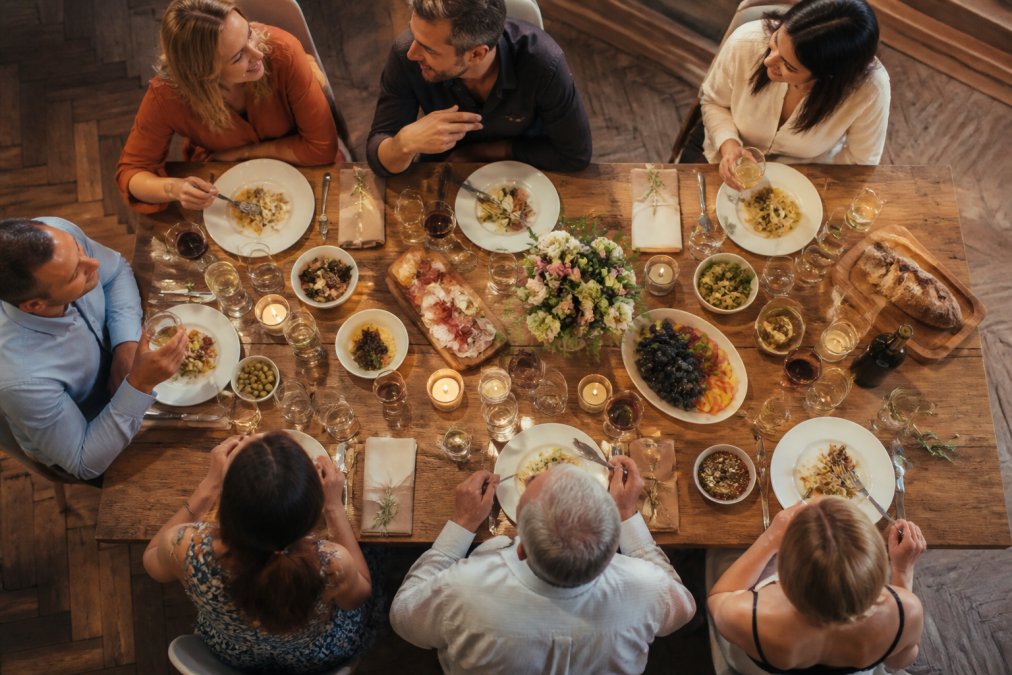
Pairing guests strategically
Think about conversation as a skill. Some people are naturally gifted at it. Others need help. Your seating should give everyone a fair chance.
Avoiding common seating mistakes
The biggest mistake is seating people by convenience rather than by strategy. Don’t put all your close friends together just because you’re comfortable with them. Mix your social circles. This is where new friendships form.
Tips for Hosting a Successful Dinner Party
Good seating is just one part of hosting well. The logistics matter too.
Practical logistics and timing
Arrive at your table with a clear plan. Greet guests as they arrive and guide them to their seats. Don’t announce where people should sit in a way that feels like an assignment. Say something like, “Sarah, you’re here, next to Mark,” and let it feel natural.
Handling dietary needs and special requests
Ask about dietary requirements at least two weeks before the dinner. This gives you time to plan and source ingredients. When you work with a private chef like At The Italian Table, they handle the cooking, but you still need to communicate requirements clearly.
Never assume you know someone’s dietary needs. Always ask directly. Assumptions lead to wasted food and uncomfortable guests who can’t eat what’s been served.
When to Use Place Cards and Formal Etiquette
Place cards serve a purpose beyond decoration. They communicate that you’ve thought about where people should sit. They remove the awkward moment of guests wondering where to go.
The Role of a Private Chef in Elevating Your Dinner Party
When you work with a private chef, the focus shifts from you managing the kitchen to you managing the experience. This changes what you can do with your dinner party.
Final Checklist Before Your Dinner Party
Use this checklist in the days before your event:
- Finalise your guest list at least two weeks out
- Create your seating chart one week before
- Confirm dietary requirements with all guests
- Print or write out your seating plan so you can reference it
- If using place cards, prepare them the day before
- Walk through your table setup to make sure the seating flow works physically
- Brief anyone helping you serve on the seating arrangement
- Arrive early to set the table and review your plan one more time
- Greet each guest warmly and guide them to their seat
Good dinner party seating arrangements don’t happen by accident. They happen because you’ve thought about your guests, understood their needs, and created an environment where good conversation can flourish. This is what separates a dinner party you’ll forget from one your guests will talk about for months.
Frequently Asked Questions
What is the best way to arrange seating for a dinner party?
Start by considering your guest list: seat people who will enjoy each other’s company, alternate personalities to encourage conversation, and separate couples if the group is small enough to benefit from mingling. Place your most important guests or those who may feel shy in positions where they’ll feel comfortable. For formal dinners, follow classical rules: the host and hostess anchor the table, and guests are seated by rank or age. For casual gatherings, prioritise conversation flow over strict formality. Always create a rough seating chart before the event to avoid awkward last-minute decisions.
Should you use place cards for a dinner party at home?
Place cards remove guesswork and prevent guests from awkwardly choosing seats. They’re essential for formal dinners, milestone celebrations, and larger gatherings (more than eight people). For intimate casual dinners with close friends, they may feel unnecessary. When you do use them, keep them simple and elegant, handwritten cards add a personal touch that guests appreciate. Place cards also solve the problem of seating shy guests, as they’re guided to their spot without having to navigate the room.
How do you mix guests effectively at a dinner party?
Seat guests next to people they don’t know well or who have different interests to spark genuine conversation. Avoid clustering friends together, as they’ll retreat into their own bubble. Pair outgoing guests with quieter ones so conversation flows naturally. Consider professional backgrounds, hobbies, and life experiences, someone who travels frequently might fascinate someone planning their first overseas trip. Separate potential conflicts diplomatically, and if you know certain guests have shared interests, seat them together strategically rather than leaving connection to chance.
What are the etiquette rules for seating couples at a dinner party?
Traditionally, couples are not seated next to each other at formal dinners, the idea is to encourage guests to mingle with new people. However, this rule is becoming more flexible for modern gatherings. If you do separate couples, ensure both partners are seated with engaging people. For milestone celebrations or intimate dinners, seating partners together is perfectly acceptable and often preferred. The key is intentionality: if you’re separating couples, make sure it serves the flow of conversation and comfort of your guests, not just tradition.