


Table of Contents
- Why Asking the Right Questions Matters When Hiring a Private Chef
- Questions About Experience and Qualifications
- Private Chef Food Safety Requirements in NSW
- Understanding Private Chef Cost in Sydney
- Questions to Ask About Dietary Requirements and Menu Planning
- Practical Questions About Kitchen Space and Equipment
- Backup Plans and What Happens If Something Goes Wrong
- Frequently Asked Questions
Last Updated: September 25, 2026
Why Asking the Right Questions Matters When Hiring a Private Chef
Hiring a private chef is one of the most significant decisions you’ll make for your event or household. The difference between a great experience and a disappointing one often comes down to the questions you ask upfront. When you’re planning a milestone celebration in Sydney or hosting corporate clients, you need someone who understands your needs, respects your space, and delivers on their promises.
The right questions protect you. They reveal whether a chef truly cooks fresh food on the day or reheats prepared meals. They uncover hidden limitations before booking. They confirm dietary accommodations are genuinely possible, not an afterthought.
This guide walks you through the essential questions to ask before hiring a private chef. We’ll cover experience, qualifications, food safety, costs, menu planning, kitchen logistics, and backup plans. By the end, you’ll have a clear framework for evaluating any private chef in Sydney.
Questions About Experience and Qualifications
Start by understanding the chef’s background and credibility. Experience matters more than credentials alone, but both tell you something important.
Ask directly: “How long have you been working as a private chef?” Someone with five years of experience knows how to adapt to home kitchens. You want someone who’s handled situations similar to yours.
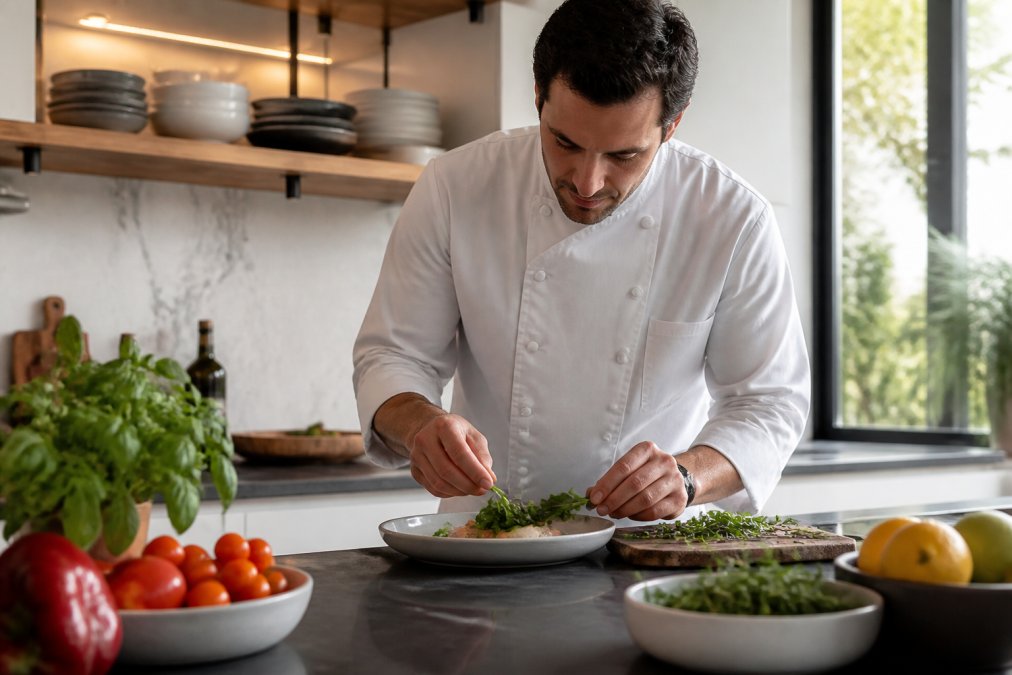
Next, ask about their specific experience with your event type. If you’re hosting a wedding, ask how many weddings they’ve catered. If it’s a corporate lunch, ask about their corporate experience. A chef who regularly works in homes understands the constraints. A chef who only works in commercial kitchens may struggle.
Request references and photos from actual events. This is non-negotiable. You want to see real work, not stock images. Ask if they can provide contact details for recent clients willing to speak with you. A reputable chef will have no problem with this.
Ask about their training and certifications. Formal culinary training is valuable, but experience matters more. Some of the best private chefs are self-taught. What matters is whether they can execute the cuisine you want at the standard you expect.
A chef with 25+ years of experience, like those at At The Italian Table, brings proven reliability. That longevity signals they know how to deliver consistently.
Private Chef Food Safety Requirements in NSW
Food safety is non-negotiable. Your guests’ health depends on proper handling, storage, and preparation practices.
Ask: “What food safety qualifications do you hold?” In NSW, private chefs who handle food commercially should have completed accredited food safety training. These show they understand temperature control, cross-contamination prevention, and proper storage. It’s a baseline standard.
Ask about their approach to ingredient sourcing. Where do they buy their produce, proteins, and pantry items? Do they work with known suppliers? Fresh, quality ingredients start with reliable sourcing.
Clarify their food handling practices. Ask how they store food in your home kitchen. Do they bring their own coolers? How do they manage temperature control if your fridge space is limited? These details matter, especially for events with 20+ guests.
Ask about their approach to allergens and cross-contamination. If you have guests with allergies, the chef must understand strict separation protocols. They should use dedicated utensils, cutting boards, and prep areas for allergen-free meals.
Request details on their food preparation timeline. Ask when they’ll arrive, what prep work happens on-site versus beforehand, and how they’ll keep food at safe temperatures throughout service. Transparency here shows professionalism.
Never assume a chef handles food safety properly just because they’ve been working for years. Always ask directly. A chef who can’t clearly explain their food safety practices is a red flag. Your guests’ wellbeing comes first.
Understanding Private Chef Cost in Sydney
Budget conversations feel uncomfortable, but they’re essential. Pricing for private chef services varies widely based on menu complexity, guest count, and timing.
Ask directly: “What is your pricing structure?” Some chefs charge per person. Others charge a flat rate plus ingredient costs. Understanding the model helps you compare fairly. Ask whether the price includes drinks service, setup, and cleanup. These details change the true cost significantly.
Request a detailed quote for your specific event. Provide the number of guests, date, menu preferences, and any special requirements. A professional chef will give you a written quote breaking down costs. This becomes your reference point.
Ask about payment terms and cancellation policies. When is the deposit due? What’s the cancellation window? What happens if you need to reschedule? Clear terms protect both you and the chef.
Discuss ingredient sourcing costs. If you want premium, organic, or specialty items, expect higher costs. Ask whether the chef sources locally or imports certain ingredients. This affects both cost and quality.
Ask about minimum guest counts. Many chefs have minimums, perhaps 8 or 10 people. Knowing this upfront prevents surprises. If your event is smaller, ask if they can work with you or suggest alternatives.
Pricing depends on menu complexity, guest count, timing, and location. Get a written quote tailored to your specific event. Contact them for current pricing and availability.
Questions to Ask About Dietary Requirements and Menu Planning
Menu planning reveals whether a chef truly listens to your needs or treats your event as generic.
Ask: “How do you handle dietary restrictions?” Listen carefully to their answer. A chef who says “I can do vegan” is different from one who says “I specialise in accommodating vegan guests with creative, flavourful options.” The second response shows expertise.
Ask about their experience with specific diets. Vegan, gluten-free, keto, halal, kosher, each requires different knowledge. If you have multiple dietary restrictions among guests, ask how they manage complexity. Can they prepare entirely separate meals without cross-contamination? Will each guest feel like they’re eating the same quality meal?
Request menu examples. Ask to see menus from past events. This shows their style, creativity, and ability to adapt. Do their menus feel thoughtful, or generic?
Ask how they approach customisation. Will they work with your ideas? Can they accommodate your family’s favourite dishes alongside their signature style? A great chef balances your preferences with their expertise.
Discuss ingredient preferences and restrictions. Do you want locally sourced produce? Organic? Sustainable seafood? Ask how the chef sources ingredients and whether they can meet your standards.
Ask about the menu consultation process. How many rounds of revision do they allow? When is the final menu locked in? Understanding the workflow prevents last-minute changes.
Practical Questions About Kitchen Space and Equipment
Your home kitchen likely differs from a commercial kitchen. A good chef adapts. A poor one blames the space.
Ask: “Can you work efficiently in my kitchen?” Describe your space honestly. Is it small? Limited counter space? One oven? Ask whether they’ve worked in similar kitchens. Ask what equipment they’ll bring. Professional chefs often bring their own knives, small appliances, and serving pieces to supplement what’s available.
Ask about refrigerator and freezer space. For larger events, you may need to clear space or discuss using coolers. Ask the chef what they’ll need and plan accordingly.
Clarify what equipment you have available. Ovens, stovetops, microwaves, dishwasher, list everything. Ask the chef to identify any gaps they’ll need to fill with portable equipment.
Ask about parking and access. Can they easily unload ingredients and equipment? Is there a service entrance? These logistics matter more than you’d think.
Discuss setup and breakdown time. How long will they need to set up? What about cleanup? Understanding the full timeline helps you plan your event schedule.
Ask whether they’ll need assistance. For large events, will they bring a sous chef or assistant? Or do they work solo? This affects cost and logistics.
A chef experienced in home kitchens knows how to work with constraints. They bring backup equipment, plan prep strategically, and adapt on the fly. At The Italian Table works regularly in Sydney homes and offices.
Backup Plans and What Happens If Something Goes Wrong
Things go wrong. Weather delays. Someone gets sick. Equipment fails. A professional chef has contingency plans.
Ask: “What’s your cancellation and backup policy?” If the chef gets ill on the day, what happens? Do they have a trained backup? Can you reschedule? What are your options?
Ask about their contingency for equipment failure. If the oven breaks mid-event, what’s their backup plan? Do they have portable equipment they can deploy?
Discuss weather contingencies if your event is outdoors. What happens if it rains? Can they move service indoors? Do they have shelter or backup plans?
Ask whether they carry liability insurance. This protects you if something goes wrong. A professional chef carries insurance as standard.
Request clarity on refund or credit policies. If the chef cancels last-minute, what’s your recourse?
Frequently Asked Questions
What are the key questions to ask before hiring a private chef?
Start by asking about their experience, relevant qualifications, and references from previous clients. Enquire about their approach to fresh food preparation, specifically whether they cook on-site during your event rather than reheating pre-prepared meals. Ask about food safety credentials, their ability to accommodate dietary restrictions, kitchen space requirements, and what happens if they become unavailable. Also clarify pricing structure, booking timelines, and whether they provide their own ingredients and equipment.
How do I verify a private chef’s food safety credentials in NSW?
Ask for evidence of current food safety training and certification. In NSW, private chefs who handle food commercially should have completed accredited food safety training. Request references from recent clients and ask about their food handling practices, including how they store ingredients, manage allergens, and maintain hygiene standards. A reputable private chef will be transparent about these requirements and happy to discuss their compliance with local food safety standards.
What questions should I ask about dietary requirements and allergies?
Ask specifically how they accommodate multiple dietary needs, vegan, gluten-free, allergies, religious restrictions. Request details on their sourcing practices for alternative ingredients, how they prevent cross-contamination, and whether they’ve successfully catered for similar requirements before. Ask if they charge extra for specialised menus and whether they’re willing to work with your guests’ specific needs. Get confirmation in writing about what they’ll serve to each guest.
How far in advance should I book a private chef?
Booking timelines vary, but many private chefs appreciate at least 2-4 weeks’ notice for detailed planning and ingredient sourcing. For larger events or highly specialised menus, 6-8 weeks is ideal. Ask your chosen chef about their current availability and minimum notice period. If you’re working with a shorter timeline, ask whether they can accommodate rush bookings and if that affects their pricing or menu flexibility.