


Table of Contents
- Set Your Budget Per Person and Guest Count
- Create Budget Dinner Party Menu Ideas That Impress
- Build Your Dinner Party Shopping List Strategically
- Prepare Easy Make-Ahead Dinner Party Recipes
- Plan Your Table, Decorations, and Atmosphere on a Budget
- Manage Your Guest List and Invitations Wisely
- Execute Your Dinner Party on the Day
- Frequently Asked Questions
Last Updated: October 4, 2026
Set Your Budget Per Person and Guest Count
The foundation of any budget-friendly dinner party is knowing exactly how much you can spend. Decide your total budget first, then divide by the number of guests. This simple math prevents overspending before you even start shopping.
A realistic dinner party on a budget typically costs between $15 and $25 per person for a home-cooked meal. This covers ingredients for a main course, sides, and a simple dessert. If you’re hosting 12 people with a $300 total budget, that’s $25 per person, very manageable.
Consider these factors when setting your number:
- How many people can your kitchen comfortably handle?
- Do you have enough seating and table space?
- Will you need to hire help, or can you manage alone?
- What’s your actual available time for shopping and prep?
At The Italian Table understands that hosting shouldn’t drain your finances. By working backwards from your budget, you control the entire event from the start. A smaller guest list with quality food beats a crowded room where you’re stressed and the food suffers.
Set your per-person budget before creating your menu. This prevents you from planning dishes you can’t afford to make well.
Create Budget Dinner Party Menu Ideas That Impress
Your menu is where smart choices make the biggest difference. Choose dishes that use affordable ingredients but look and taste impressive. The best budget dinner party menu ideas rely on simple techniques and quality basics rather than expensive proteins.
Pasta-based mains that feed many
Pasta dishes are the backbone of affordable entertaining. They’re filling, forgiving, and naturally feed large groups without breaking your budget.
A simple pasta carbonara uses just four ingredients: pasta, eggs, bacon or pancetta, and cheese. The result feels luxurious. Serve it with a fresh salad and garlic bread. Your guests won’t realise you spent less on the main course.
Bolognese sauce is another winner. Brown ground beef or pork with onions and garlic, add tinned tomatoes, and let it simmer. Make it the day before and reheat. Serve over pappardelle or tagliatelle with grated Parmesan.
Baked pasta dishes stretch ingredients further. Layer cooked pasta with a simple tomato sauce, ricotta, and mozzarella. Bake until golden. Lasagne feeds many people affordably.
One-pot and sheet-pan dishes
One-pot meals simplify cooking and cleanup. They’re perfect when you’re managing everything yourself.
A hearty minestrone soup packed with seasonal vegetables, beans, and pasta becomes a complete meal. Make it in bulk and freeze portions before the dinner party. Reheat gently on the day.
Sheet-pan roasted chicken with vegetables is foolproof. Place chicken thighs on a tray with potatoes, carrots, and onions. Roast until everything is golden. The chicken stays moist, and the vegetables absorb all the flavour.
Risotto seems fancy but costs very little. Arborio rice, stock, onions, and butter create something that feels restaurant-quality. Stir in seasonal vegetables or mushrooms. Most guests assume risotto is difficult, you’ll look like a hero.
Pasta, rice, and one-pot meals are your budget allies. They look impressive but rely on affordable staples and simple technique.
Build Your Dinner Party Shopping List Strategically
A strategic shopping list makes a significant difference in your overall costs. Plan your menu first, write down every ingredient, then shop with discipline.
Buy seasonally and in bulk
Seasonal produce costs a fraction of out-of-season items. In spring, buy asparagus and peas. Summer brings tomatoes, courgettes, and stone fruit. Autumn offers pumpkin, apples, and leafy greens. Winter features root vegetables and citrus.
Visit farmers’ markets near the end of the day. Vendors often discount produce they don’t want to take home. You’ll find quality ingredients at 30-50% less than supermarket prices.
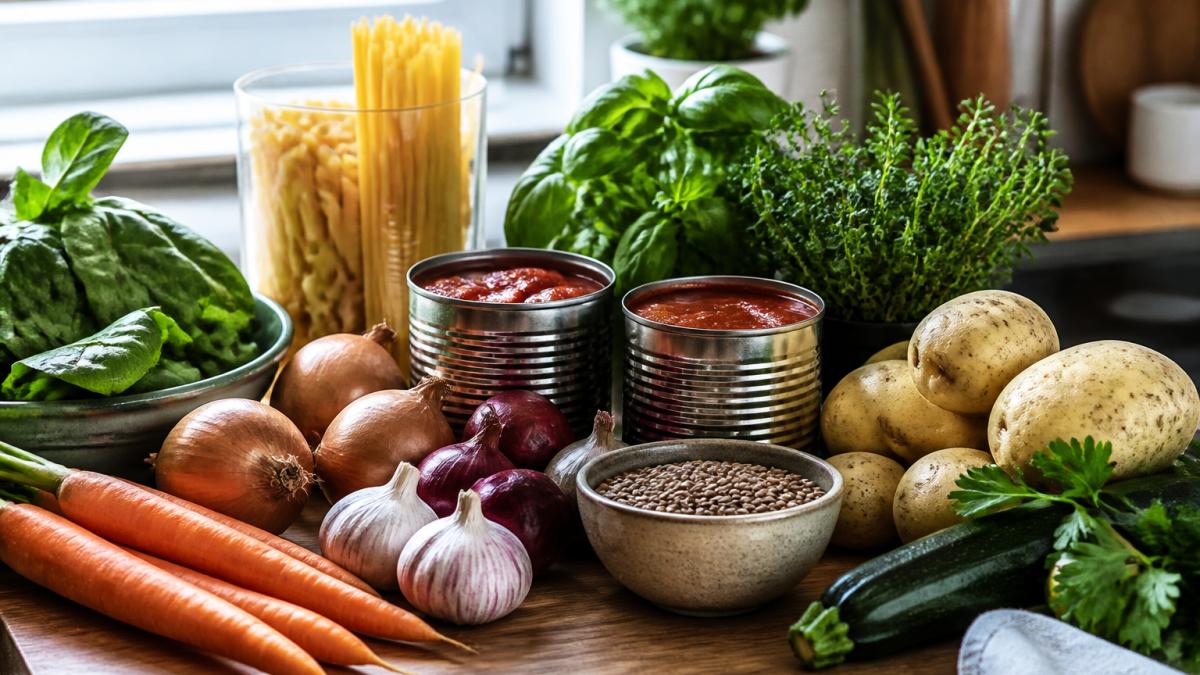
Buy dried pasta, tinned tomatoes, beans, and rice in bulk. These shelf-stable items form the backbone of affordable cooking. A 5kg bag of rice costs less per kilogram than individual boxes.
Source affordable quality ingredients
Don’t confuse cheap with poor quality. Buy the best version of basics you can afford. Good olive oil, real Parmesan, and fresh garlic elevate simple dishes.
Skip the premium brands. Store-brand tinned tomatoes taste identical to expensive versions. The same applies to pasta, rice, and canned beans. Save money here and spend it on fresh herbs and quality cheese.
Buy whole chickens instead of breasts. A whole bird costs less per kilogram and gives you bones for stock. Eggs are affordable protein. Dried legumes, lentils, chickpeas, beans, cost pennies and feed crowds.
Herbs can be expensive when bought fresh in small packs. Buy potted herbs from the supermarket and grow them on your windowsill. One pot of basil or parsley lasts weeks and costs less than three bunches.
Never buy pre-cut vegetables or ready-made sauces. The markup is enormous. Spend 10 minutes chopping your own vegetables and save 40% on ingredient costs.
Prepare Easy Make-Ahead Dinner Party Recipes
Make-ahead cooking removes stress on the day. You’ll be calm, your guests will sense it, and the food will be better.
What can be prepared the day before
Braises, stews, and sauces improve overnight. The flavours deepen as they sit. Bolognese, beef stew, and curry all taste better on day two. Make them 24 hours ahead, refrigerate, and reheat gently.
Soup can be made entirely the day before. Store it in the fridge and warm it slowly on the stovetop. Risotto is trickier, it’s best made fresh, but you can prep your ingredients and stock the night before.
Desserts often benefit from advance prep. Chocolate mousse, panna cotta, and tiramisu must be made ahead. Baked goods like brownies or biscuits stay fresh for days.
What to finish on the day
Salads should be assembled just before serving. Wash and dry greens the night before, but dress them only at the last moment.
Pasta goes into boiling water 15 minutes before you eat. Don’t cook it earlier, it becomes mushy. Rice and other grains are best finished fresh, though you can reheat them gently.
Roasted vegetables should come out of the oven warm. If you roast them hours ahead, they lose their appeal. Prep them the night before, then roast while your guests arrive.
A dinner party on a budget works best when you’ve done 70% of the work before anyone arrives. You’ll have time to greet guests, set the table properly, and actually enjoy the evening instead of panicking in the kitchen.
Plan Your Table, Decorations, and Atmosphere on a Budget
Atmosphere costs nothing. Good lighting, fresh flowers, and thoughtful touches create elegance without expense.
Candles transform any room. Buy unscented tea lights in bulk. Scatter them across the table and around the room. Candlelight is flattering and hides imperfections.
Fresh flowers don’t require expensive arrangements. Buy a bunch of seasonal blooms from the market, sunflowers, daisies, or roses, and place them in a simple glass or jar. One bunch split into three small vases looks abundant.
Use what you have. White plates on a coloured tablecloth create contrast. Cloth napkins folded simply add formality. If you don’t own enough matching glasses, mix styles, it looks intentional and modern.
Create a playlist of background music. Soft jazz or acoustic covers keep conversation flowing without overwhelming the room. Keep the volume low enough that people can hear each other.
The best table setting is one where guests feel welcome and comfortable. Focus on cleanliness and basic order rather than perfection. A slightly imperfect table set with care beats a fancy one that feels cold.
Manage Your Guest List and Invitations Wisely
Your guest list determines your budget and your stress level. Smaller, well-planned dinners beat large, chaotic ones.
Invite people who get along. A table of eight people who enjoy each other’s company creates better conversation than 20 strangers. Quality of guests matters more than quantity.
Give clear invitations with specific details. State the date, time, and what you’re serving. If you’re asking people to bring something, be specific: “Please bring a bottle of wine” or “A dessert to share would be lovely.” Vague requests create confusion.
Ask about dietary requirements upfront. One coeliac guest, one vegan, and one person with a shellfish allergy are manageable if you plan for them. Last-minute dietary requests are stressful.
Set a realistic guest count based on your space and cooking ability. You’ll enjoy hosting 10 people in your home far more than rushing to feed 25.
Execute Your Dinner Party on the Day
The day arrives. You’ve planned well. Now stay calm and follow your prep work.
Wake early and do a final tidy. Set the table completely, plates, glasses, napkins, cutlery. This takes 20 minutes and removes a task from later.
Start cooking items that take longest. If you’re roasting a chicken, get it in the oven two hours before guests arrive. Pasta goes on 15 minutes before you eat.
Pour yourself a drink and greet your guests warmly. They’re here to spend time with you, not to eat a perfect meal. A relaxed host makes everyone comfortable.
If something goes wrong, the sauce breaks, the rice is mushy, the dessert doesn’t set, don’t announce it. Your guests likely won’t notice. Serve it confidently and move forward.
At The Italian Table knows that the best dinners aren’t about flawless execution. They’re about bringing people together with good food and genuine hospitality. You’ve done the planning. Now enjoy the evening.
Hosting a memorable dinner party on a budget is entirely within reach. By setting clear limits, choosing simple recipes, and preparing ahead, you create space to actually enjoy your guests instead of stressing in the kitchen. The most luxurious dining experience isn’t about expensive ingredients, it’s about thoughtful planning, quality time, and food made with care. If you’d rather focus entirely on your guests and skip the cooking altogether, At The Italian Table brings restaurant-quality dining directly to your Sydney home. Our team handles all the preparation and cooking, leaving you free to host with confidence. Enquire Now to discuss how we can make your next gathering truly special.
Frequently Asked Questions
How much should I budget per person for a dinner party on a budget?
A realistic budget for a dinner party on a budget depends on your menu choices and guest count. Pasta dishes, rice-based meals, and one-pot recipes stretch your budget furthest. Buying seasonally and shopping at discount grocers helps you stay within your budget while serving quality food. Larger groups often cost less per head because you buy in bulk and reduce per-serving waste.
What are the best budget dinner party menu ideas?
Pasta dishes, risotto, slow-cooked braises, and sheet-pan roasted vegetables offer excellent value and impress guests. Italian-style menus work particularly well because quality ingredients like tomatoes, garlic, and olive oil are affordable and flavourful. Minestrone soup, pasta carbonara, and baked polenta are classics that feed many people affordably. Pair any main with a simple green salad and bread to round out the meal without adding significant cost.
Can I make easy make-ahead dinner party recipes to reduce stress on the day?
Yes, most sauces, braises, soups, and casseroles taste better when made a day or two ahead. Prepare your main sauce, marinate proteins, chop vegetables, and set your table the day before. On the day, focus only on cooking pasta, reheating, and finishing touches like fresh herbs or garnishes. This approach lets you enjoy your guests instead of being stuck in the kitchen and reduces the risk of timing mistakes.
How far in advance should I plan a dinner party on a budget?
Plan and send invitations 2-3 weeks ahead so guests can confirm attendance and you know your exact headcount. This timing gives you a clear budget target and lets you shop strategically without last-minute premium prices. Confirm numbers again 3-5 days before the event, then do your main shopping and prep work 2 days prior. Last-minute planning forces you to buy convenience foods and miss sales, which inflates costs.