


Table of Contents
- Why Creative Non-Alcoholic Drinks Matter at Dinner Parties
- Non-Alcoholic Wine Pairings for Italian Food
- Premium Spirit Alternatives for Sophisticated Mocktails
- Batch Mocktail Recipes for Parties
- How to Host a Zero-Proof Dinner Party
- Elevating the Presentation of Non-Alcoholic Drinks
- Frequently Asked Questions
Last Updated: October 3, 2026
Why Creative Non-Alcoholic Drinks Matter at Dinner Parties
A thoughtful dinner party isn’t defined by what’s in the glass, it’s defined by how your guests feel when they’re holding it. The shift toward creative non-alcoholic drink ideas for dinner parties has fundamentally changed how we think about entertaining. What was once relegated to “soft drinks” or tap water has become a genuine category of sophisticated, intentional beverages that deserve as much attention as wine or cocktails.
At The Italian Table, we’ve observed this trend across private dining events in Sydney. Guests increasingly expect non-alcoholic options that taste premium and feel celebratory. Whether someone is abstaining by choice, driving, pregnant, or managing their health, they shouldn’t be served an afterthought. A well-crafted mocktail or non-alcoholic wine pairing signals respect for their decision and elevates the entire evening.
The research shows that hospitality professionals are investing more in zero-proof beverage programs, recognising that inclusive entertaining isn’t a limitation, it’s an opportunity. When you offer creative non-alcoholic drink ideas, you’re not accommodating a constraint. You’re setting a tone of thoughtfulness that makes every guest feel welcome.
Below, we’ll show you exactly how to source, prepare, and present non-alcoholic drinks that rival their alcoholic counterparts. The options available today, from distilled botanicals to ready-to-drink cocktails, mean you can create a genuinely premium experience without a single drop of alcohol.
Non-Alcoholic Wine Pairings for Italian Food
The challenge with wine-free dining is that most people expect wine. Non-alcoholic wine pairings for Italian food solve this by offering complexity and structure that matches food instead of simply replacing it. The key is choosing products designed specifically for pairing, not generic grape juice alternatives.
NON World stands out here. This Melbourne-based producer creates non-alcoholic wines using verjus, tea, and spices to build real depth. Their numbered range (1 through 8) allows you to match different “wines” to different courses, a practice that mimics traditional wine service and makes guests feel genuinely attended to. A bottle runs around $30, and the minimalist design looks elegant on any table.
For a more accessible option, McGuigan Zero offers familiar territory. As a major Australian winery’s zero-alcohol range, it delivers what traditional wine drinkers expect: a Shiraz that tastes like Shiraz, a Chardonnay that behaves like Chardonnay. At approximately $12 per bottle, it’s practical for larger gatherings. The tradeoff is simplicity, it won’t surprise you, but it won’t disappoint either.
When pairing with Italian food specifically, think about what the dish demands. A rich pasta carbonara needs something with body and slight bitterness. A light seafood risotto calls for something crisp and mineral. The non-alcoholic wines that work best are those that respect the food rather than trying to compete with it.
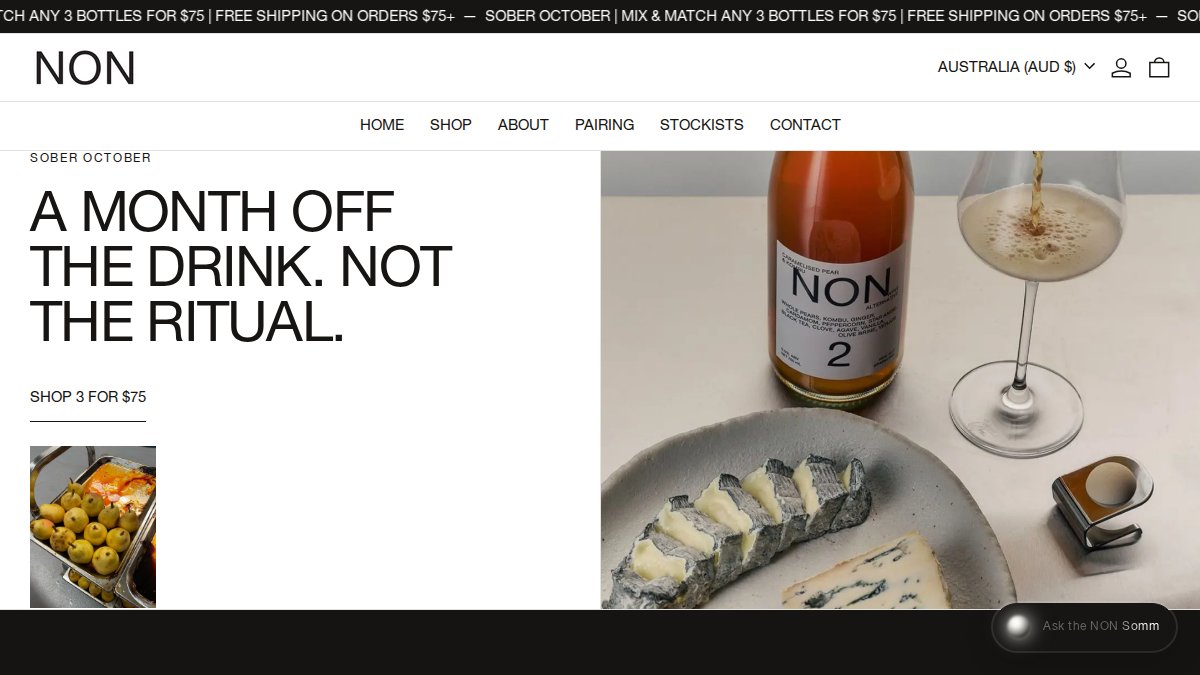
Serve non-alcoholic wine pairings slightly cooler than you’d serve regular wine. The lower alcohol content means they warm up faster in the glass, so starting them colder keeps them at the ideal drinking temperature longer.
Premium Spirit Alternatives for Sophisticated Mocktails
Distilled Botanicals and Aperitifs
When guests see “mocktail” on a menu, they often brace for something sweet and childish. Premium spirit alternatives change that equation entirely. These are products designed for serious drinkers who want complexity without alcohol.
Lyre’s Non-Alcoholic Spirits are formulated to work in classic cocktail recipes. Their Dry London Spirit mimics gin; their Italian Orange works in Negronis; their American Malt handles whiskey-style drinks. At around $44.99 per bottle, they’re positioned as premium ingredients, not budget alternatives. The advantage: you can build any cocktail you’d normally make, and the structure holds up. The limitation: they’re still approximations, not the real thing.
Seedlip Drinks takes a different approach. Rather than mimicking alcohol, Seedlip uses traditional copper pot distillation on botanicals, creating something genuinely new instead of an alternative. Three distinct flavour profiles (Spice 94, Garden 108, Grove 42) work beautifully with premium tonic waters. At approximately $45 per bottle, it’s positioned alongside craft spirits. The payoff is sophistication that doesn’t apologise for being alcohol-free.
For aperitivo moments specifically, Ghia is unmatched. This non-alcoholic aperitif carries a bitter, herbal profile inspired by Mediterranean traditions. Mixed with soda or tonic, it creates a “Ghia Spritz” that genuinely feels like an aperitivo, something to sip before dinner, not a full cocktail. At around $50 per bottle, it’s concentrated, meaning one bottle creates many servings. The bitter flavour won’t suit everyone, but for guests who appreciate dry, herbal drinks, it’s exceptional.
The difference between a spirit alternative and a spirit substitute is intention. Alternatives are designed to stand on their own merits; substitutes try to replicate something they’re not. Choose alternatives for sophistication, substitutes for familiarity.
Ready-to-Drink Options for Zero Effort
When you’re hosting a dinner party, you don’t want to spend the evening behind the bar. Ready-to-drink non-alcoholic options let you focus on your guests instead.
Monday Distillery produces pre-mixed cocktails in elegant glass bottles, Spicy Margarita, Paloma, and others. At approximately $25 for a 4-pack, they’re sugar-free and designed for formal entertaining. The aesthetic matters here: the bottles look premium on a table, and the convenience is genuine. You pour, you serve, you’re done. The limitation is flavour range, you’re limited to what they’ve already mixed.
Altina Drinks uses Australian native botanicals to create zero-proof cocktails with real personality. Finger lime and forest berry create something distinctly local. At around $22 per bottle, they’re positioned as craft products. The appeal is uniqueness: these taste like nothing else on the market. For a dinner party where you want to spark conversation, they’re ideal.
For maximum flexibility with minimal effort, Fever-Tree Mixers paired with fresh fruit and herbs creates a “build-your-own” station. At approximately $8 for a 4-pack, they’re the most affordable option. Mediterranean Tonic, Ginger Beer, and Soda Water give you building blocks. Add fresh mint, citrus, berries, and ice, and guests feel like they’re participating in something special. The trade-off is that someone still needs to do the garnishing.
Batch Mocktail Recipes for Parties
Rather than mixing individual drinks, batch mocktails let you prepare ahead and pour throughout the evening. This approach works especially well for larger Sydney dinner parties where you want consistency and ease.
The Herbal Spritz combines Fever-Tree Mediterranean Tonic with fresh herbs, citrus, and a touch of honey syrup. Prepare the base in a large pitcher, add ice and fresh mint just before serving, and let guests pour their own. This scales effortlessly from 8 to 30 people.
The Botanical Cooler uses Seedlip Garden 108 mixed with sparkling water, fresh cucumber, and basil. Prepare it in a punch bowl, add ice and fresh garnishes, and refresh the ice every 30 minutes. The botanical profile complements Italian food particularly well.
The Citrus Blend layers Lyre’s Italian Orange with Fever-Tree Ginger Beer, fresh lemon juice, and a honey-ginger syrup. Batch this in a large jug, chill it, and pour over ice with fresh orange slices. It’s refreshing without being overly sweet.
The key to batch mocktails is balance. Mix your components at a ratio that works in a large volume, taste it, adjust, then prepare. Prepare them 2-3 hours before guests arrive, keep them chilled, and refresh ice and garnishes just before service.
| Batch Mocktail | Base Ingredient | Supporting Flavour | Best For | Prep Time |
|---|---|---|---|---|
| Herbal Spritz | Fever-Tree Mediterranean Tonic | Fresh mint, honey, citrus | Light appetisers, warm evenings | 10 minutes |
| Botanical Cooler | Seedlip Garden 108 | Cucumber, basil, sparkling water | Italian food pairing, formal dinners | 15 minutes |
| Citrus Blend | Lyre’s Italian Orange | Ginger beer, lemon, honey syrup | Casual gatherings, larger groups | 12 minutes |
How to Host a Zero-Proof Dinner Party
Hosting a zero-proof dinner party isn’t about removing something, it’s about being intentional with everything. The difference between a dinner party that happens to have non-alcoholic options and a zero-proof dinner party is preparation and presentation.
Start by deciding your approach. Are you offering one signature mocktail, a selection of spirits alternatives for guests to mix, or a wine pairing experience? Each requires different preparation. A signature mocktail means batching ahead. Spirit alternatives mean having a small bar setup.
Communicate your drinks plan to guests when you invite them. “We’re doing a zero-proof dinner party featuring creative non-alcoholic drink ideas” sets expectations and often generates excitement. Guests appreciate transparency, they’ll come prepared and engaged rather than disappointed.
Source your products at least two weeks ahead. Specialty non-alcoholic spirits can take time to arrive, and you want options rather than last-minute compromises. Sydney has good availability through bottle shops and online retailers, but planning ahead eliminates stress.
Set up your drinks station thoughtfully. If you’re doing spirit alternatives, arrange bottles with tonic, soda, and fresh garnishes. Include simple instructions, “Lyre’s Dry London Spirit + Fever-Tree Mediterranean Tonic + fresh rosemary”, so guests can build without asking.
The presentation of non-alcoholic drinks matters as much as their taste. Serve them in proper glassware, wine glasses for pairings, cocktail glasses for mixed drinks, not generic tumblers. Add fresh garnishes: citrus wheels, herbs, berries. Ice matters too.
The biggest mistake is treating non-alcoholic drinks as an afterthought. If your guests sense that you’ve put less thought into their drinks than you have into the food, the entire evening feels unbalanced. Invest the same care in zero-proof drinks as you would in wine service.
Elevating the Presentation of Non-Alcoholic Drinks
The difference between a good drink and a memorable one is often just presentation. Non-alcoholic drinks deserve the same visual attention as cocktails at a premium bar.
Start with glassware. The right glass changes how a drink tastes and how it feels to hold. Wine pairings belong in wine glasses, the shape concentrates aromas and signals formality.
Garnishes do real work. Fresh citrus wheels, herbs like rosemary or basil, edible flowers, or berries aren’t decoration, they add aroma and flavour. A drink garnished with fresh mint smells different and tastes different than the same drink without it.
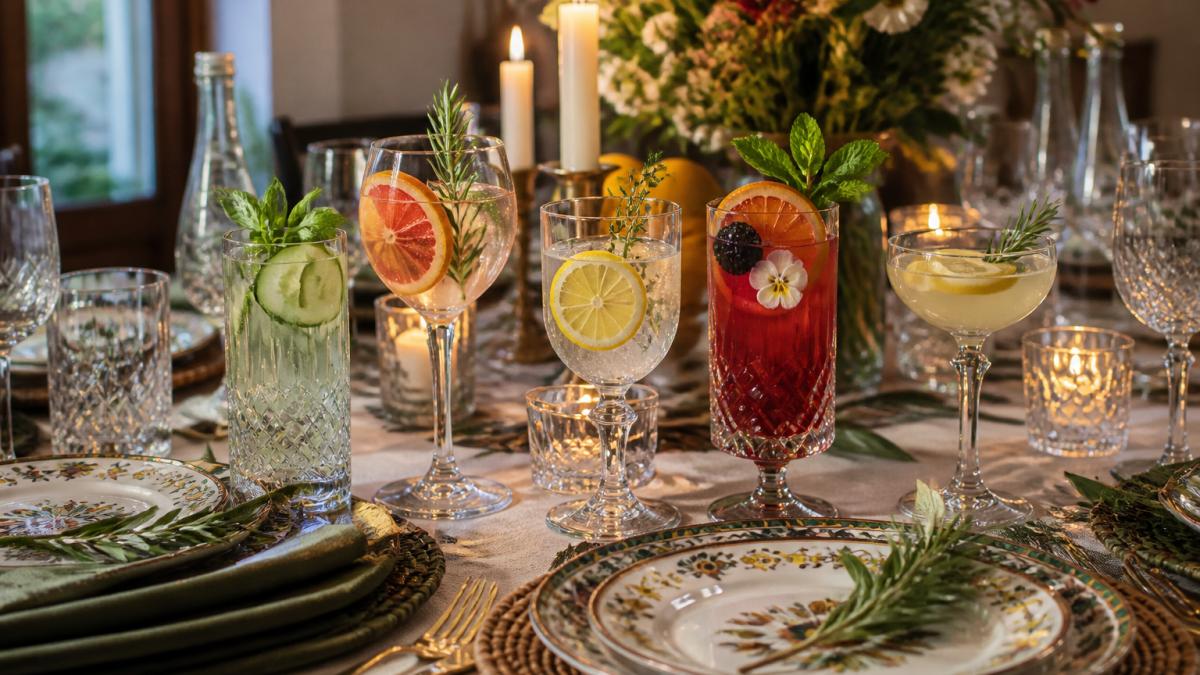
Temperature matters. Serve drinks at the right temperature for their type. Wine pairings should be chilled but not ice-cold. Mocktails with spirits alternatives work best over proper ice. Sparkling options benefit from being very cold.
Consider the ritual. When you pour a wine pairing as a course arrives, you’re creating a moment. When you present a batch mocktail in a beautiful pitcher with fresh garnishes, you’re signalling that this matters.
At The Italian Table, we’ve found that when hosts present non-alcoholic drinks with the same care they’d give to wine service, guests respond with genuine appreciation. It signals respect for their choice and elevates the entire dining experience.
Hosting a dinner party where every guest feels genuinely celebrated requires attention to the details they’ll notice. Whether you’re hosting an intimate gathering or a milestone celebration in Sydney, our private chef services can handle the food while you focus on creating the experience.
Frequently Asked Questions
How do you make non-alcoholic drinks feel special for a dinner party?
Treat zero-proof drinks with the same care as alcoholic cocktails. Use premium spirits like Lyre’s or Seedlip, pair them thoughtfully with your menu, and invest in garnishes, fresh citrus, herbs, edible flowers, and quality glassware transform a simple mocktail into a restaurant-quality experience. Batch-prepare signature drinks so guests feel welcomed with something intentional rather than afterthought.
What are the best non-alcoholic pairings for Italian-inspired cuisine?
For lighter pasta courses, try Seedlip Grove 42 with premium tonic. Ghia’s herbal aperitif works beautifully as a pre-dinner drink. StrangeLove’s unique sodas like Yuzu complement seafood risottos. The key is matching the drink’s weight and flavour intensity to your dish, lighter drinks for delicate courses, bolder botanicals for rich sauces.
How do I batch-prepare mocktails for large groups without stress?
Mix your base ingredients in large glass jugs the morning of your event. For a Ghia Spritz batch, combine Ghia with soda water and fresh lemon juice in a 1:3:1 ratio. Keep it chilled, then pour over ice and garnish at service. Pre-batch Fever-Tree mixers with fresh herbs and citrus, then let guests add their chosen spirit alternative.
What’s the difference between non-alcoholic spirits and ready-to-drink mocktails?
Non-alcoholic spirits like Lyre’s or Seedlip are concentrated bases you mix with tonic, soda, or other ingredients, they give you control and creativity. Ready-to-drink options like Monday Distillery or Altina come pre-mixed in bottles, requiring no preparation. For dinner parties, spirits offer flexibility if you’re hosting varied preferences; ready-to-drink works better if you want zero effort and consistent presentation.
Can non-alcoholic drinks genuinely pair with food the way wine does?
Yes, when chosen intentionally. The difference is that non-alcoholic options require more deliberate pairing thought rather than defaulting to ‘serve red with meat’, but that intentionality often creates more memorable pairings than standard wine service.