


Table of Contents
- Why Your Dinner Party Playlist Matters More Than You Think
- How Long Should a Dinner Party Playlist Be
- Best Background Music for Dinner Parties
- Dinner Party Playlist Flow: Building the Perfect Arc
- Practical Playlist Building: Song Selection and Curation
- Playlist Themes for Different Dinner Party Styles
- Technical Setup: Volume, Speakers, and Timing
- Frequently Asked Questions
Last Updated: September 28, 2026
Why Your Dinner Party Playlist Matters More Than You Think
A well-curated dinner party playlist sets the emotional tone for your entire evening, influencing how guests interact and whether they remember the night fondly.
Music shapes conversation flow and creates the atmosphere that transforms a dinner party into an unforgettable experience.
A dinner party playlist requires a different structure and approach than a workout mix or dance playlist. This guide covers how to create the perfect dinner party playlist, from choosing genres and length to building flow from opening drinks through dessert.
How Long Should a Dinner Party Playlist Be
Your dinner party playlist should run 3 to 4 hours, covering arrival through dessert and coffee. Aim for 60 to 80 songs at moderate volume.
Build flexibility into your playlist so you can skip songs if the evening moves faster than expected, or loop sections if conversation flows naturally.
Create a primary playlist of 60 songs, then prepare a secondary 20-song extension as backup. Test your playlist timing by playing it through once before the event.
Build your playlist 2-3 days before the event, not the morning of. This gives you time to live with the song selections, swap out anything that doesn’t feel right, and test the flow without rushing.
Best Background Music for Dinner Parties
The best background music enhances conversation without demanding attention and fills silence without overwhelming it.
Genres That Work Best
Jazz remains the gold standard for dinner parties. Artists like Bill Evans, Miles Davis, and Chet Baker create sophistication without intensity. Jazz is inherently conversational with space for dialogue.
Contemporary classical from composers like Ólafur Arnalds, Nils Frahm, and Max Richter blends classical structure with modern sensibility. Ambient classical pieces work particularly well during opening and closing phases.
Soul and R&B from the 1960s and 1970s, Marvin Gaye, Al Green, Aretha Franklin, add warmth and sophistication without being dance-oriented.
Acoustic pop and indie folk work well for casual dinner parties. Artists like Nick Drake, Bon Iver, and Iron & Wine create intimate, conversational atmospheres.
For Italian-themed dinners, blend traditional Italian classics with modern Italian artists like Andrea Bocelli to add cultural authenticity without cliché.
Bossa nova and Latin jazz offer rhythmic sophistication. Artists like João Gilberto and Stan Getz create movement perfect for mid-dinner conversation.
Vocals vs Instrumental: What Research Shows
Whether to include vocals depends on your dinner’s formality and phase. During opening, instrumental works better as vocals can feel intrusive. As dinner progresses, carefully selected vocal tracks add emotional depth.
Mixing vocal and instrumental tracks works best. A ratio of roughly 60% instrumental to 40% vocal gives flexibility. Choose vocal tracks with clear voices and lyrics that don’t demand emotional processing.
Instrumental music creates space for conversation, but instrumental-only playlists can feel cold if not carefully curated. Seek warmth, rhythm, and personality.
Dinner Party Playlist Flow: Building the Perfect Arc
A successful dinner party playlist follows a three-phase arc that mirrors the natural rhythm of your evening. Each phase has a different purpose, a different energy level, and different song characteristics.
Opening Phase: Setting the Tone
The opening 45 minutes to 1 hour sets the emotional foundation. Your opening music should feel welcoming, sophisticated, and intentional.
Start with slower-tempo instrumental pieces around 90-110 BPM. Choose music with clear production and warm instrumentation, piano, strings, acoustic guitar. Avoid sudden dynamic shifts.
The opening phase should feel like a prelude to something special. Artists like Ólafur Arnalds, Ludovico Einaudi, and Bill Evans create this atmosphere. Avoid upbeat pop or energetic rock.
Gradually increase the energy slightly as you move through the opening phase. By the time appetisers are served, the music should feel warm and established, but still calm enough for conversation to take centre stage.
Middle Phase: Sustaining Energy and Conversation
The middle phase (roughly 1.5 to 2 hours in) is where the magic happens. Your playlist should support energy without dominating it.
Increase tempo to 110-130 BPM. Mix instrumental tracks with carefully selected vocal pieces, blend jazz with contemporary classical, and add subtle rhythmic elements.
Include songs with more personality, Marvin Gaye, Bon Iver, contemporary instrumentals. Maintain conversational space while adding emotional richness.
Avoid sudden genre shifts or jarring transitions. The middle phase should deepen the atmosphere rather than reset it.
Closing Phase: Winding Down Gracefully
As dessert arrives, shift to slower, more reflective music around 90-110 BPM. Choose pieces that feel contemplative and warm.
Instrumental music typically works better in the closing phase. Pieces from Max Richter, Nils Frahm, or Bon Iver (instrumental versions) create reflective atmosphere.
The closing phase should feel like a natural conclusion. If guests linger, loop the closing playlist or extend it. Fade music out gracefully as guests prepare to leave.
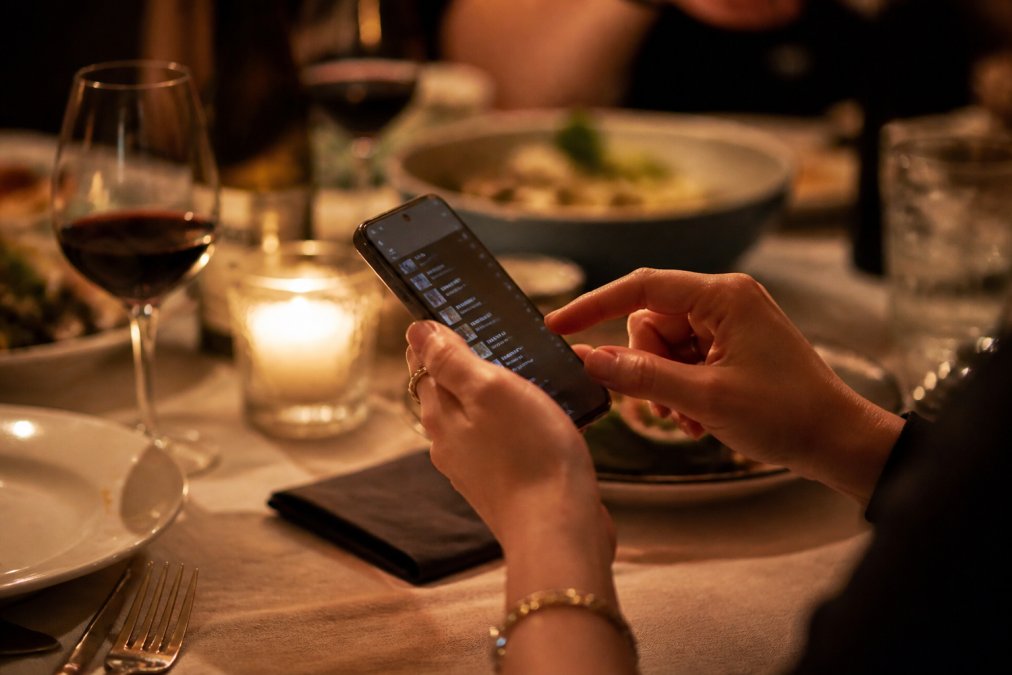
Practical Playlist Building: Song Selection and Curation
Starting Your Song List
Identify 10 to 15 anchor songs that fit your dinner party‘s vibe. For a sophisticated dinner, anchor on Bill Evans’s “Autumn Leaves,” Ólafur Arnalds’s “Re:member,” and Marvin Gaye’s “Let’s Get It On.” These establish tone and give you a solid foundation.
Use anchor songs as reference points. Search for similar artists on your music platform using “fans also like” recommendations. Explore related work from artists and composers you love.
Create your playlist in three sections: opening (15-20 songs), middle (35-45 songs), and closing (10-15 songs). This forces intentional pacing.
Testing and Adjusting
Play your completed playlist through once, ideally with someone else present. Notice where energy dips, where transitions feel jarring, and where the mood shifts unexpectedly. These moments reveal songs that need replacing or repositioning.
Pay particular attention to the transitions between songs. Does the energy flow naturally, or does it feel like a sudden shift? A song that’s perfect in isolation might feel wrong in sequence. Reorder songs to create smoother transitions, if a high-energy track is followed by something very slow, add a bridge song in between.
Test your playlist at the actual volume you’ll use during dinner. Music that sounds perfect at moderate volume sometimes feels overwhelming or underwhelming when played at dinner-party levels. Adjust your song selection based on how it actually sounds in your space, not just in your headphones.
The difference between a good playlist and a great one is usually 3-5 song swaps. Don’t overthink it, make adjustments based on how the playlist actually feels when you test it.
Playlist Themes for Different Dinner Party Styles
Different dinner party contexts call for different musical approaches. Your playlist should match the formality, cuisine, and mood of your gathering.
Intimate Italian Dining
For Italian-themed dinners, authenticity matters without veering into cliché. Avoid the stereotypical “O Sole Mio” trap. Instead, blend classical Italian composers with modern interpretations and contemporary Italian artists.
Start with traditional pieces from composers like Vivaldi and Boccherini for the opening phase, these establish cultural context without feeling forced. Move into modern interpretations by artists like Andrea Bocelli and contemporary classical composers who draw on Italian tradition. Include carefully selected vocal tracks from Italian singers, but choose artists with genuine artistry rather than tourist-trap selections.
For a dinner featuring fresh pasta or traditional Italian cuisine, the playlist should feel warm and inviting rather than formal. Think of it as the musical equivalent of rustic elegance. Artists like Ludovico Einaudi (Italian composer) and contemporary jazz musicians create this atmosphere beautifully.
Contemporary and Casual
Casual dinner parties allow for more flexibility and personality. Your playlist can include contemporary indie folk, modern jazz, and even carefully selected pop tracks that feel sophisticated rather than party-oriented.
Artists like Bon Iver, Nick Drake, and modern jazz musicians like Snarky Puppy work beautifully in casual settings.
Sophisticated and Upscale
Upscale dinner parties demand a playlist that feels refined without being stuffy. This is where traditional jazz, contemporary classical, and carefully curated soul and R&B excel.
Technical Setup: Volume, Speakers, and Timing
The technical execution of your playlist matters as much as the music selection itself. Poor audio quality or incorrect volume levels can undermine even the best song choices.
Never try to manually skip songs or adjust the playlist during dinner. This breaks the flow and signals that you’re not confident in your selections. If a song isn’t working, skip it during your test run, not during the actual event.
Frequently Asked Questions
How long should a dinner party playlist be?
A dinner party playlist should run 3-4 hours for a standard evening gathering. Most dinner parties last 3-5 hours from arrival to departure. Build your playlist to 50-80 songs at moderate tempo (90-120 BPM), which gives you flexibility to loop sections if needed without repetition becoming obvious. If your event is shorter, 40-50 songs works well; for longer celebrations, aim for 100+ tracks so guests don’t hear repeats.
What kind of music is best for a dinner party?
The best dinner party music is instrumental or features soft vocals that don’t demand attention. Jazz, classical, ambient, and downtempo electronic work well because they create atmosphere without pulling focus from conversation. Avoid heavy lyrics, dramatic vocals, or anything with jarring tempo changes. Choose artists and genres that complement your menu, Italian classics pair beautifully with Italian cuisine, while contemporary lounge works for modern settings. Volume matters too: aim for 40-50 decibels, roughly the level of normal conversation.
Should dinner party music have lyrics?
Music with lyrics can work if the vocals are soft and understated. The key is choosing songs where lyrics blend into the background rather than demand listening. Crooning jazz singers, folk artists with gentle delivery, and ambient vocalists often fit well. Avoid pop songs with catchy choruses, rap, or anything with prominent storytelling lyrics that distract from conversation. Test your playlist beforehand: if you find yourself listening to the words instead of talking, remove those tracks.
How do you transition music throughout a dinner party?
Create a three-phase flow: start with slightly upbeat, welcoming music as guests arrive (60-70 minutes); move to calming, conversational music during the main course (90-120 minutes); then gently ease into quieter, more reflective tracks as the evening winds down (remaining time). Avoid sudden jumps in tempo or mood, use crossfading or gradual volume adjustments between songs. Streaming platforms with queue features let you manually control transitions, giving you more flexibility than pure shuffle mode.