


Table of Contents
- Why Sustainable Wedding Catering Matters
- How to Reduce Food Waste at Weddings
- Locally Sourced Wedding Menu Ideas
- Eco-Friendly Wedding Catering Sydney Providers
- What to Look for in a Sustainable Caterer
- Conclusion
- Frequently Asked Questions
Last Updated: September 20, 2026
Why Sustainable Wedding Catering Matters
Weddings generate significant food waste. A typical celebration for 100 guests can produce tonnes of unconsumed food, much of which ends up in landfill. When you choose sustainable wedding catering, you’re making a decision that affects not just your event, but the broader food system and environment.
Sustainable catering isn’t about compromise. It’s about aligning your celebration with your values while still delivering an exceptional dining experience. Couples in Sydney are increasingly asking their caterers tough questions: Where does the food come from? How much ends up as waste? Are the suppliers treated fairly?
At The Italian Table understands this shift. With over 25 years of experience crafting freshly cooked dining experiences, the team approaches every event as an opportunity to serve food with integrity. Freshly prepared cuisine, cooked on-site, naturally reduces waste.
The real appeal of sustainable wedding catering isn’t the environmental credential alone. It’s the quality. Seasonal produce tastes better. Local suppliers deliver fresher ingredients. And when your caterer cares about sustainability, they’re usually obsessive about ingredient quality too.
How to Reduce Food Waste at Weddings
Food waste at weddings happens for predictable reasons: overestimating guest appetite, preparing more than needed, and poor handling of leftovers. But reducing waste doesn’t mean serving less or compromising on experience.
Start by getting your numbers right. Work with your caterer to estimate realistic consumption based on your guest list, event duration, and menu style. A four-hour celebration with cocktail-style service uses far less food than a sit-down dinner. Be honest about your guest profile too, different age groups and dietary preferences affect consumption patterns.
The second lever is menu design. Buffet-style service often generates more waste than plated meals because guests can take more than they’ll eat (pubmed.ncbi.nlm.nih.gov). Plated service, by contrast, lets your caterer control portion sizes while still delivering generous, satisfying servings. A skilled caterer like At The Italian Table designs plates that look abundant and taste exceptional.
Communicate dietary requirements clearly. When your caterer knows about vegetarian guests, gluten-free needs, or allergies upfront, they can prepare appropriate quantities without making last-minute adjustments that waste ingredients. Vague requests lead to over-preparation.
Consider what happens to leftovers before the event. Some caterers have systems to donate excess food to local charities. Others prepare items that hold well and can be safely stored or redistributed. Discuss this with your caterer during planning, it’s a practical way to extend the life of prepared food.
Finally, think about your timeline. A wedding with a clear end time and structured service creates natural stopping points. Open-ended receptions can lead to extended preparation and more waste. Clear logistics mean your caterer prepares only what’s needed for the actual celebration window.
Locally Sourced Wedding Menu Ideas
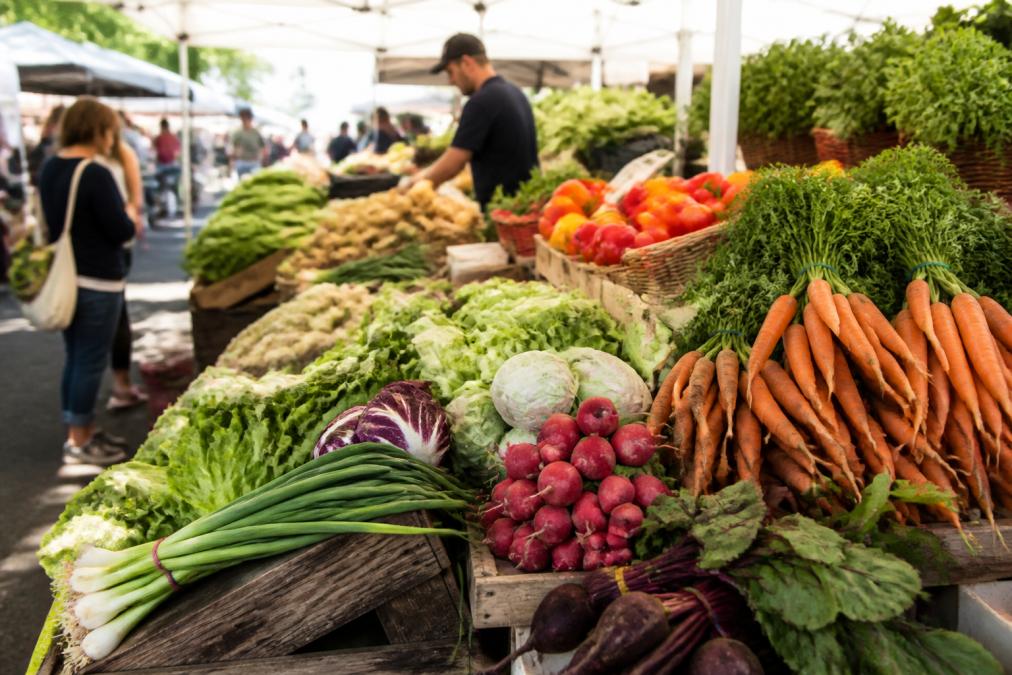
Locally sourced menus do more than reduce carbon footprint. They taste noticeably better because ingredients are fresher and picked at peak ripeness. A menu built around what’s in season right now in Sydney will be more flavourful and more affordable than one chasing out-of-season imports.
Spring brings asparagus, peas, broad beans, and tender lettuces. These work beautifully in light courses and sides. Early stone fruits appear, cherries and apricots, perfect for desserts. Lamb is at its best in spring, making it an ideal centrepiece.
Summer offers abundance: berries, stone fruits at their peak, tomatoes, courgettes, capsicums. This is when you can build menus around grilled vegetables and fresh seafood. Local fish like barramundi and snapper are at their best. Salads become the star rather than a supporting role.
Autumn brings root vegetables, mushrooms, and game. Pumpkin, beetroot, and carrots become central to the menu. This is ideal for heartier, more substantial dishes. Local beef and duck shine in cooler months.
Winter features brassicas, leeks, and citrus. These months suit slow-cooked dishes, braises, and comforting preparations. Citrus desserts become natural choices.
Eco-Friendly Wedding Catering Sydney Providers
Finding the right caterer means understanding what “sustainable” actually means to each provider. Some focus on zero waste. Others prioritise local sourcing. Some emphasise ethical labour practices. The best approach is to ask specific questions about what sustainability means to them, then decide if it aligns with your priorities.
Radish Events: Zero-Waste Certified Catering
Radish Events has built their entire operation around zero-waste principles (Turning Food Waste into Opportunity
). They hold formal sustainability certifications and design every aspect of service, from procurement to waste management, to eliminate landfill impact.
Their approach means every vegetable scrap, every leftover, and every packaging material is accounted for. Food waste becomes compost or animal feed. Packaging is compostable or recyclable. They work with suppliers who share this commitment.
This level of certification requires rigorous systems. It’s ideal if your priority is measurable environmental impact and you want documentation proving your wedding was genuinely zero-waste. The trade-off is that zero-waste catering typically requires more detailed planning and communication upfront.
One Pot Catering: Local Seasonal Focus
One Pot Catering builds their entire menu philosophy around local and seasonal produce. Their core mission is reducing food miles, the distance food travels from farm to plate.
By working exclusively with what’s in season in the Sydney region, they’ve created a model where sustainability and flavour reinforce each other. Seasonal produce is fresher, cheaper, and tastes better. Their menus change throughout the year because they follow what local producers are harvesting.
This approach works beautifully for couples who want exceptional food that happens to be sustainable, rather than sustainability as the primary driver. The menu will be different in December than in June, which appeals to people who love seasonal eating.
Little Caterer Sydney: Collaborative Menu Design
Little Caterer Sydney takes a produce-driven approach where the menu emerges from what’s available rather than being locked in advance. They work with couples to co-design menus based on seasonal ingredients and personal preferences.
This collaborative process means you’re involved in deciding what appears on your table. You learn about the produce, meet the producers (often), and create something genuinely personal. It’s ideal if you want high customisation and enjoy being part of the creative process.
The downside is that this requires more lead time and communication. You can’t finalise your menu three weeks before the event, you need time to explore options and make thoughtful choices together.
At The Italian Table: Fresh, Customised Service
At The Italian Table brings restaurant-quality catering to your Sydney home or venue with a core commitment to freshly cooked food prepared on-site. With over 25 years of experience, the team specialises in authentic Italian cuisine and can adapt to any style your celebration demands.
What sets At The Italian Table apart is the non-negotiable focus on fresh preparation. No frozen ready-made food. Everything cooked at the time of your event.
The team works with you to design a menu that matches your vision, then executes it with the precision of a professional kitchen. They handle all logistics, sourcing, preparation, service, and cleanup, so you focus on your guests. For couples who want exceptional food without the stress of catering logistics, this is the practical choice.
The customisation means your menu can absolutely prioritise specific dietary accommodations. You’re not locked into a preset package; you’re designing something specific to your celebration and values.
What to Look for in a Sustainable Caterer
Asking the right questions separates genuine sustainability commitment from marketing language. Here’s what matters.
Ask about sourcing. Where do they source ingredients? Can they name specific suppliers? Do they work with the same producers regularly, or do they shop around? Caterers with real relationships with suppliers can tell you stories about where food comes from. Vague answers suggest they’re buying from conventional wholesale channels.
Understand their waste management. What happens to food that isn’t served? Do they have a composting system, donation partnerships, or other waste-reduction practices? Ask specifically, not just “do you reduce waste” but “what’s your actual process?”
Check their flexibility. Can they work with your dietary requirements without making it complicated? Can they adjust quantities based on your guest profile? Rigid caterers with fixed packages often generate more waste. Flexible caterers can tailor service to your actual needs.
Ask about their team. How long have they been operating? Do they have experience with events like yours? Experienced caterers have refined their processes to minimise waste naturally. They know how much food to prepare and how to handle service efficiently.
Get references. Ask to speak with couples who’ve used them for similar events. What was the actual experience? Did the food meet expectations? Was the service professional? References matter more than marketing claims.
Discuss your priorities. Tell your caterer what sustainability means to you.
Request a site visit before committing. Let your caterer see your venue, assess the kitchen space, and understand logistics. This conversation often reveals practical details that matter, like whether they can work in a smaller kitchen, how they’ll manage service flow, and what they actually need from you.
Conclusion
Sustainable wedding catering isn’t a niche choice anymore, it’s becoming the expectation. Couples want food that tastes exceptional, reflects their values, and doesn’t create unnecessary waste. Sydney has caterers who’ve built their entire practice around this philosophy.
Frequently Asked Questions
What makes wedding catering sustainable in Sydney?
Sustainable wedding catering in Sydney focuses on reducing environmental impact through three key practices: sourcing seasonal, locally grown produce to minimise food miles; minimising food waste through careful portion planning; and using eco-friendly service practices such as reusable dishware instead of single-use items. The goal is to create a memorable celebration whilst respecting local resources and reducing your event’s carbon footprint.
How can I reduce food waste at my wedding catering?
Start by working with your caterer to plan realistic portion sizes based on your guest count and meal style. Plan your menu with seasonal ingredients, which are typically more abundant and require less waste in sourcing. Communicate dietary requirements clearly to avoid preparing unused plates. Finally, consider a plated service rather than buffet-style, which typically generates less waste.
Are there Sydney caterers that use locally sourced produce?
Yes. At The Italian Table provides customised catering with fresh, non-frozen ingredients prepared on the day of your event. When selecting a caterer, ask specifically about their supplier relationships and whether they work with local farmers or markets in the Sydney region.
What questions should I ask a caterer about their sustainability practices?
Ask how they manage seasonal menu planning and whether they can accommodate dietary requirements without creating waste. Request references or photos from past events. For caterers like At The Italian Table, confirm that food is freshly cooked on the day rather than prepared offsite and reheated, which affects both quality and sustainability.