


Table of Contents
- Why Creative Tasting Menu Themes Transform Private Dining
- 1. A Regional Italian Journey: From Sicily to Piedmont
- 2. Seasonal Australian Harvest: A Garden-to-Table Theme
- 3. The Coastal Escape: A Seafood-Focused Theme
- 4. A Modern Nostalgia Theme: Reimagined Childhood Classics
- 5. Monochrome Elegance: A Single-Colour Culinary Theme
- 6. The Truffle & Mushroom Forest Theme
- 7. A Citrus & Spice Theme: Bright, Bold and Unexpected
- Frequently Asked Questions
Last Updated: September 16, 2026
Why Creative Tasting Menu Themes Transform Private Dining
A tasting menu without a theme is just dinner in courses. A tasting menu with one becomes an event guests describe for months. At At The Italian Table, we’ve watched hosts agonise over wine lists while leaving the single biggest lever untouched: the theme that ties every course together.
Private dining succeeds when the menu tells a story, and a creative tasting menu theme gives that story a shape. The best private dining themes do three things at once: they guide your chef’s choices, they give guests something to anticipate, and they turn a meal into a memory.
Below, you’ll find themes we’ve seen work beautifully in Sydney homes. Each one includes what makes it work and who it suits.
| Theme | Mood | Best For |
|---|---|---|
| Regional Italian Journey | Warm, storytelling | Milestone birthdays |
| Seasonal Australian Harvest | Fresh, relaxed | Garden parties |
| Coastal Escape | Bright, celebratory | Summer gatherings |
| Modern Nostalgia | Playful, sentimental | Family reunions |
| Monochrome Elegance | Dramatic, refined | Corporate dinners |
| Truffle & Mushroom Forest | Earthy, luxurious | Winter celebrations |
| Citrus & Spice | Bold, unexpected | Cocktail-style events |
1. A Regional Italian Journey: From Sicily to Piedmont
A regional Italian journey moves course by course through Italy’s culinary geography, from the citrus and seafood of Sicily in the south to the truffles and rich braises of Piedmont in the north. It works because geography gives the menu a natural narrative arc, and guests learn something with every plate.
In practice, this means opening with something bright and southern, perhaps a citrus-cured fish, then travelling north through Rome’s pastas and Tuscany’s olive oils before landing on a Piedmontese finish. The progression mirrors a real journey, which makes the pacing feel intentional rather than random.
This theme is recommended for hosts who want the food itself to carry the conversation. It also pairs naturally with Italian wines served by region, so the wine pairing reinforces the story instead of competing with it.
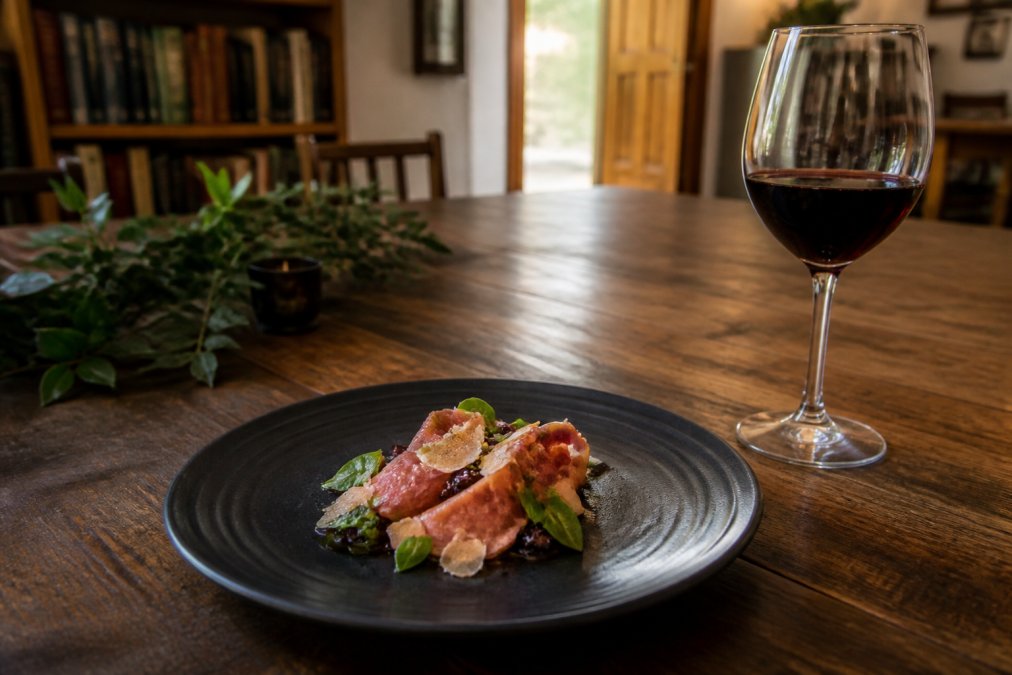
Ask your chef to announce each region as the course lands. One sentence per course is enough, and it turns service into storytelling without slowing the meal down.
2. Seasonal Australian Harvest: A Garden-to-Table Theme
A seasonal harvest theme builds the menu around what’s actually ripe, which in practice means letting the calendar choose your ingredients rather than forcing a fixed list. Spring brings asparagus and peas; autumn delivers figs and root vegetables. The menu writes itself around what’s good that week.
The strength of this theme is honesty. Nothing feels imported or performed, and guests notice the difference between produce at its peak and produce that’s merely available. For hosts in Sydney, it also creates a natural connection between the table and the region they live in.
Plan this one around a single market visit or a conversation with your chef about what’s best right now. The menu should flex, not lock.
3. The Coastal Escape: A Seafood-Focused Theme
A seafood-focused tasting menu leans on the ocean for its entire arc, from a raw opening course through to a rich, slow-cooked finish. It’s the theme that suits long summer evenings best, when heavy courses feel wrong and fresh, bright flavours feel exactly right.
The pitfall most hosts hit is monotony: course after course of similar textures. The fix is deliberate contrast. Pair something raw with something grilled, something delicate with something deeply savoury. Shellfish allergies are common, so confirm guest requirements before the menu is finalised, not after.
Never treat a shellfish allergy as a preference to work around at the last minute. Confirm it at booking, build a separate course if needed, and brief everyone serving that night. Cross-contact in a home kitchen is a real risk.
4. A Modern Nostalgia Theme: Reimagined Childhood Classics
A modern nostalgia theme takes dishes guests grew up with and rebuilds them at tasting-menu level. Think a deconstructed Sunday roast, a fairy bread-inspired dessert, or a sausage roll reworked into something you’d never recognise but instantly remember.
This works because nostalgia is the most reliable flavour memory there is. Guests taste something familiar and their guard drops. The skill is in the rework: elevate the technique, keep the emotional anchor.
It suits milestone birthdays and family gatherings where the guest list spans generations. Just be careful not to make it twee. The best versions are affectionate, not ironic.
5. Monochrome Elegance: A Single-Colour Culinary Theme
A monochrome theme restricts each course, or the whole menu, to a single colour palette. An all-white menu might move from cauliflower velouté to white fish to a coconut and lychee dessert. A deep-red menu runs from beetroot to tomato to berries.
It sounds like a gimmick until you see it plated. The constraint forces creativity, and the visual effect is genuinely striking on a long table. It also photographs exceptionally well, which matters if the event will be shared afterwards.
This theme is suitable for corporate dinners and formal gatherings where the atmosphere needs to feel considered rather than cosy. It reads as deliberate, and deliberate reads as premium.
6. The Truffle & Mushroom Forest Theme
A truffle and mushroom forest theme builds its menu from earthy, umami-rich ingredients: fresh truffle shaved at the table, wild mushrooms, aged cheeses, and deep, slow-cooked bases. It’s a winter theme, and it’s the most overtly luxurious on this list.
The theatre matters here. Shaving truffle in front of guests, the aroma arriving before the plate does, is the moment people remember. Mushrooms also carry savoury depth without meat, which makes the theme unusually easy to adapt for vegetarian guests.
Be honest about cost, though. Fresh truffle is a seasonal, premium ingredient, and pricing depends on availability and the time of year. Ask your chef for a quote based on the date rather than assuming a fixed figure.
7. A Citrus & Spice Theme: Bright, Bold and Unexpected
A citrus and spice theme uses acidity and heat as its through-line, cutting through richness and keeping a long menu feeling light. Blood orange, preserved lemon, chilli, and warm spices can appear in every course without ever repeating themselves.
This is the theme for hosts who want surprise. It works especially well for cocktail-style events where guests move around rather than sitting for three hours, because bright flavours hold attention in small portions.
The balance is everything. Too much heat and the wine pairing collapses; too much citrus and every course tastes the same. A good chef calibrates the two against each other course by course.
Planning a themed tasting menu comes down to one decision: whether you build it yourself or hand it to someone who does this every week. For hosts in Sydney, a private chef service removes the logistics entirely, from menu design to the washing up, so you’re present at your own event instead of stuck in the kitchen. At The Italian Table brings more than 25 years of culinary experience to private dining, cooking everything fresh on the day with no frozen shortcuts, and tailoring each menu to your theme, your guests, and your dietary requirements. If you’re planning a milestone birthday, a corporate dinner, or an intimate gathering and want a tasting menu built around a theme rather than a template, enquire now with At The Italian Table and let us handle the details while you enjoy the evening.
Frequently Asked Questions
How do you structure a tasting menu for a private dinner party?
Start with a light, bright course to wake up the palate, then build through lighter proteins and vegetables before reaching the richest savoury dish. Finish with something sweet and a small palate cleanser. Most private dining tasting menus run five to seven courses, which keeps the evening paced well without overwhelming guests or the kitchen. Write the menu so each dish has one clear idea, and repeat a single ingredient or flavour thread across courses to make the whole meal feel deliberate rather than random.
How many courses should a private dining tasting menu have?
Five to seven courses suits most private dining events. Three or four works for a relaxed lunch, while eight or more suits a milestone celebration where the meal is the main event. Each course should be small, roughly three or four bites, so guests reach dessert comfortably. If you are planning a degustation menu at home, count the time each course takes to serve and clear, then add it up against your event schedule before committing to a longer menu.
How do you pair wines with a creative tasting menu at home?
Match the weight of the wine to the weight of the dish. Light seafood courses suit crisp whites such as riesling or vermentino, richer pasta and mushroom dishes suit pinot noir or a medium-bodied sangiovese, and slow-cooked meats suit fuller reds. You do not need a different bottle per course. Two whites and two reds, chosen to bridge several courses, work well and keep costs sensible. Serve sparkling wine on arrival to set the tone before the first course lands.
What are some seasonal Australian ingredients to feature in a tasting menu?
Build the menu around what is at its best that month. Winter brings black truffle, citrus and root vegetables, spring brings asparagus, peas and broad beans, summer brings stone fruit, tomatoes and seafood at its peak, and autumn brings figs, mushrooms and pumpkin. Sourcing from local growers keeps produce fresher and gives the menu a clear sense of place. Ask your chef which ingredients are performing well that week rather than locking the menu in months ahead.
How far in advance should I book a private chef for a themed dinner in Sydney?
Three to four weeks is a comfortable lead time for most private dining bookings, and it gives you room to finalise the theme, dietary requirements and wine list without rushing. Peak periods such as December and the spring wedding season book out earlier, so aim for six to eight weeks if your date falls then. If you are organising something in under three weeks, contact the chef directly and ask about availability, since some dates do open up at short notice.