


Table of Contents
- Why Kitchen Prep Decides How Your Dinner Party Goes
- Private Chef Kitchen Requirements: What They Actually Need
- The 3-Day Kitchen Prep Checklist Before the Chef Arrives
- How to Prepare Your Kitchen for a Private Chef on the Day
- What to Expect When Hiring a Private Chef: Communication and Timing
- Hiring a Private Chef for a Dinner Party: Questions to Ask Before Booking
- What Not to Worry About: Small Kitchens and Tight Spaces
- Conclusion: Let the Chef Focus on the Food, You Focus on the Guests
- Frequently Asked Questions
Last Updated: September 5, 2026
Booking a private chef transforms an ordinary evening into a restaurant-quality event, but the success of the night often hinges on what happens before the chef even walks through the door. Knowing how to prepare your kitchen for a private chef is the single most practical step you can take to ensure your dinner party flows smoothly, and it is far simpler than most hosts expect. This guide from At The Italian Table, a premium private chef service in Sydney, NSW, breaks down exactly what to organise, what to leave alone, and how to handle a small kitchen with confidence.
The core principle is refreshing: you are not staging a television-ready kitchen, you are creating an efficient workspace. Most chefs travel with their own high-end equipment, but they rely on your bench space, your stove, and a clear path to execute a multi-course menu. Below, we will walk through the specific requirements, a three-day preparation checklist, and the day-of logistics that let the professional focus on the food while you focus on your guests.
Why Kitchen Prep Decides How Your Dinner Party Goes
The difference between a relaxed, enjoyable evening and a stressful one often comes down to how well your kitchen functions as a professional workspace for a few hours. A private chef brings skill and experience, but they cannot manufacture bench space or summon a clean saucepan out of thin air. When you simplify your kitchen prep, you are effectively buying back time that the chef would otherwise spend searching for equipment or working around clutter.
Think of your kitchen as the stage for the performance. If the mise en place is chaotic, the service will feel chaotic, even if the food is excellent. Preparation also protects your home; a clear bench means less risk of spills, breakages, or accidents around your guests. This is not about deep-cleaning every cupboard, it is about creating a logical flow from the fridge to the stove to the serving area. A little forethought here ensures the chef can move efficiently and you can actually enjoy hosting instead of hovering.
Private Chef Kitchen Requirements: What They Actually Need
Most professional chefs are accustomed to working in unfamiliar spaces, and they do not expect a commercial-grade setup in a private home. However, there are a few non-negotiable private chef kitchen requirements that make the difference between a smooth service and a frustrating one. The essentials boil down to access to key utilities, a functional cooking area, and a clean, organised space to plate and serve.
Bench Space and the 600mm Rule
Clear bench space is the most valuable real estate in your kitchen on the night. As a general guideline, aim to free up at least 600 millimetres of clear, uncluttered bench length. This is roughly the width of a standard dishwasher or a large chopping board, and it gives the chef a dedicated zone for plating or final preparation. It is a practical benchmark that professionals use to gauge whether a workspace is viable.
To achieve this, move small appliances like kettles, toasters, and coffee machines to a side table or another room. Clear any decorative items, fruit bowls, or stacked mail from the main preparation areas. The goal is to provide a clean, empty surface that the chef can wipe down and use immediately without having to ask you to move things mid-service.
Pots, Pans and Small Appliances
While chefs bring their own knife rolls and signature tools, they will rely on your larger equipment, such as your oven, stovetop, and often your pots and pans. Most professional chefs are happy to cook with a host’s quality cookware, but it is worth confirming what they prefer to bring. A quick conversation before the event will clarify whether you need to supply a heavy-based frypan, a large stockpot, or specific baking trays.
Small appliances are often a point of negotiation. Some chefs prefer to bring their own blenders, mixers, or sous-vide machines to guarantee consistency. Others are comfortable using what you have. The key is to ask in advance and have your equipment clean, accessible, and in good working order. Ensure your oven is empty and preheated when the chef arrives, and check that you have enough gas or electricity for a long service.
Ask your chef which single pot or pan they prefer to use for your menu. If you do not own a large, heavy-based frypan or a deep stockpot, it is worth borrowing one or confirming the chef will bring their own. This small detail prevents a mid-service scramble.
The 3-Day Kitchen Prep Checklist Before the Chef Arrives
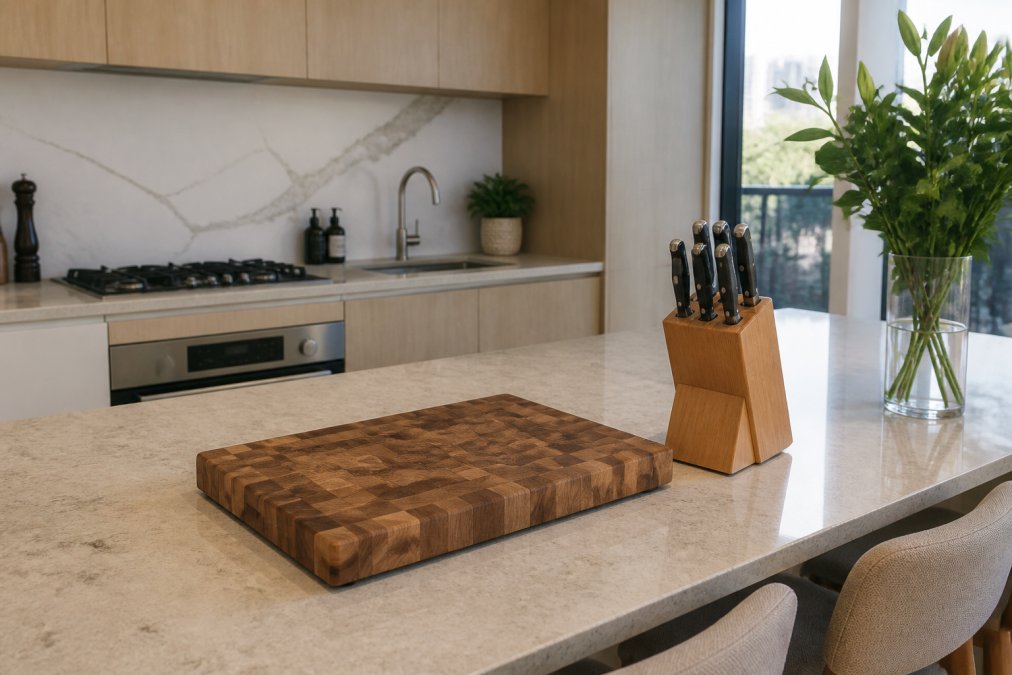
Preparation does not happen on the day; it happens in the days leading up to your event. A structured checklist removes the last-minute panic and ensures your kitchen is genuinely ready. Start three days out and work through these tasks methodically.
Day 3: Declutter and Plan
- Clear benches of all non-essential items.
- Identify which cupboards and drawers you will designate for the chef’s use.
- Confirm the menu and dietary requirements with your chef, so you know exactly what equipment is needed.
- Check your fridge and pantry for space to accommodate incoming fresh ingredients.
Day 2: Clean and Organise
- Give the kitchen a thorough clean, focusing on the stovetop, oven, and sink area.
- Run the dishwasher so you have a full stock of clean plates, cutlery, and glassware.
- Organise your serving dishes, platters, and bowls in a single, accessible location.
- Take out the rubbish and recycling bins to ensure they have capacity for the event.
Day 1: Final Setup
- Lay out the pots, pans, and utensils the chef requested in an accessible spot.
- Set up a dedicated drinks station away from the main cooking area to keep guests out of the chef’s path.
- Clear the dining table and set it for your guest count.
- Confirm the arrival time and any last-minute details with your chef.
This schedule spaces the work across three days, so you are not exhausted before the party begins. It also builds in a buffer for unexpected issues, like discovering your oven is not working or running out of gas for the barbecue.
How to Prepare Your Kitchen for a Private Chef on the Day
The morning of your event is about execution, not deep cleaning. Your focus should be on final touches and creating a clear path for the chef to start working immediately upon arrival. Begin by doing a final wipe-down of the benches and ensuring the sink is empty and clean. A chef’s first impression of your kitchen sets the tone for the entire service.
Confirm that the oven is empty and the stovetop is clear. If you have a gas cooktop, check that you have a lighter or matches available, as automatic igniters can sometimes fail. Place a clean tea towel and a fresh roll of paper towel within easy reach of the main prep area. These small details signal that you are organised and respectful of the professional’s workspace.
Fridge and Pantry Zones for Chef Deliveries
One of the most common oversights is fridge space. Your chef will arrive with coolers full of fresh, high-quality ingredients, and they need somewhere to put them. Dedicate at least one full shelf in your fridge, preferably in the main body rather than the crisper drawers, for the chef’s exclusive use. Clear this space the night before so the chef can unload quickly and efficiently.
The same logic applies to your pantry. If the menu includes dry goods like pasta, rice, or spices, set aside a small area or a single cupboard shelf for the chef’s items. This prevents your own groceries from being mixed up with the event ingredients. A well-organised fridge and pantry zone allows the chef to find everything instantly, which keeps service running on schedule and reduces the risk of cross-contamination between your household items and the event food.
What to Expect When Hiring a Private Chef: Communication and Timing
Understanding what to expect when hiring a private chef goes beyond the meal itself; it involves clear communication about logistics, timing, and the division of responsibilities. A professional chef will typically arrive two to three hours before service begins. This window allows them to set up their equipment, prep ingredients, and familiarise themselves with your kitchen layout without feeling rushed.
During this time, the chef will need to work largely uninterrupted. While it is natural to want to chat or watch, the most successful events happen when the host lets the chef do their job. Use this time to greet your guests, manage the drinks, and set the atmosphere. The chef will communicate when they need you, usually for a quick final check on serving times or to coordinate the flow of courses.
Communication should also cover the end of the night. Clarify in advance what level of clean-up is included. Many private chefs will wash their own pots, pans, and equipment, and leave your kitchen as they found it. However, they typically do not handle your guests’ dirty dishes or clear the dining table. Knowing this boundary beforehand prevents any awkwardness at the end of the evening. For a deeper look at how professional services structure their offering, the Australian Culinary Federation’s guide on private dining etiquette offers useful context on industry standards.
Hiring a Private Chef for a Dinner Party: Questions to Ask Before Booking
When you are hiring a private chef for a dinner party, asking the right questions upfront protects you from surprises later. The booking conversation is your opportunity to align expectations on everything from the menu to the kitchen setup. Treat it as a partnership where you are providing the venue and the chef is providing the expertise.
Start with logistics: ask how much bench space they require, whether they bring their own small appliances, and if there are any specific pots or pans they expect you to have. This directly informs your kitchen prep checklist. Next, clarify the service style. Will they plate each course in the kitchen, or do they offer a live cooking station where guests can watch? This affects how you arrange your dining space and whether you need extra serving platters.
Finally, discuss contingencies. Ask how they handle dietary restrictions, what happens if a key ingredient is unavailable on the day, and whether they have a backup plan if they are unwell. These questions reveal a chef’s professionalism and give you confidence that your event is in capable hands. A reputable service will answer these clearly and without hesitation, demonstrating that they have managed similar events successfully across Sydney.
What Not to Worry About: Small Kitchens and Tight Spaces
A small kitchen is not a dealbreaker, and it should not stop you from booking a memorable dining experience. Professional chefs are experts at adapting to compact environments. The key is to maximise the space you have by clearing benches, utilising vertical storage, and establishing a logical workflow. Many of the best private dining experiences in Sydney happen in tight inner-city apartments and terraces.
If you have a galley kitchen, focus on clearing the counter opposite the stove, as this becomes the primary prep area. If your bench space is limited to a small island, ensure it is completely empty and reserved for the chef. You can also set up a separate drinks station in the living room or on a sideboard to keep guests out of the chef’s workspace entirely.
The most important asset is your own attitude. If you are relaxed and have communicated clearly with the chef, a small space becomes a charming, intimate setting rather than a constraint. The chef will work around the physical limitations; your job is to manage the flow of people. By guiding guests to gather in the living area or garden rather than clustering around the kitchen bench, you give the chef the physical and visual space they need to execute your menu flawlessly.
The secret to a flawless private chef experience is not a large kitchen; it is a clear, organised workspace and open communication. Clear the benches, dedicate fridge space, and let the professional do what they do best.
Conclusion: Let the Chef Focus on the Food, You Focus on the Guests
Preparing your kitchen is ultimately an act of hospitality, both for your guests and for the professional joining your home. By clearing bench space, organising your equipment, and establishing clear communication, you create the conditions for a truly exceptional meal. The effort you invest in the days before the event pays off in a seamless, relaxed evening where you are present with your guests rather than stressed in the kitchen.
At At The Italian Table, our chefs bring over 25 years of culinary expertise to homes and workplaces across Sydney, crafting authentic, freshly cooked Italian cuisine tailored to your event. We handle the menu, the cooking, and the clean-up of our own equipment, so you can enjoy the luxury of a top restaurant’s private dining in your own home. Whether you are planning an intimate dinner party or a larger celebration, our team is ready to create an unforgettable experience.
Get started with At The Italian Table and let our professional chefs transform your next gathering into a memorable, stress-free occasion. Enquire now to discuss your menu and event details.
Frequently Asked Questions
Do I need a professional kitchen to hire a private chef in Sydney?
No. Private chefs in Sydney work in standard home kitchens every day. The practical requirements are simple: roughly 600mm of clear bench space, access to a stove and oven, and a sink with hot water. Chefs bring their own knives, small tools and often key cookware. A small kitchen is fine as long as you clear one work zone and tell the chef about your bench space before the event.
Do private chefs bring their own pots and pans?
Most private chefs bring their own chef’s knives, tongs, spoons and specialty equipment. Pots, pans and baking trays vary: some chefs carry a full kit, while others prefer to use yours. Ask when you book, then check that your largest frypan and stockpot are clean and accessible. If your cookware is non-stick and scratched, tell the chef in advance so they can plan around it.
How much space does a private chef need in my kitchen?
A private chef needs one clear work zone of about 600mm by 600mm, roughly the size of two standard chopping boards side by side. They also need access to the stove, oven, sink and a power point for small appliances. Clear one bench of appliances, fruit bowls and paperwork. That single cleared zone matters more than total kitchen size.
Should I clean my kitchen before the chef arrives?
Yes, a clean kitchen is part of the private chef kitchen requirements. Wipe down benches, empty the dishwasher, and ensure the sink is free of dishes. Chefs handle food to restaurant hygiene standards, so they need a clean starting point. A full deep clean is unnecessary. Focus on benches, the stovetop, the sink and clear floor space near the cooking area.
This article was written using GrandRanker